
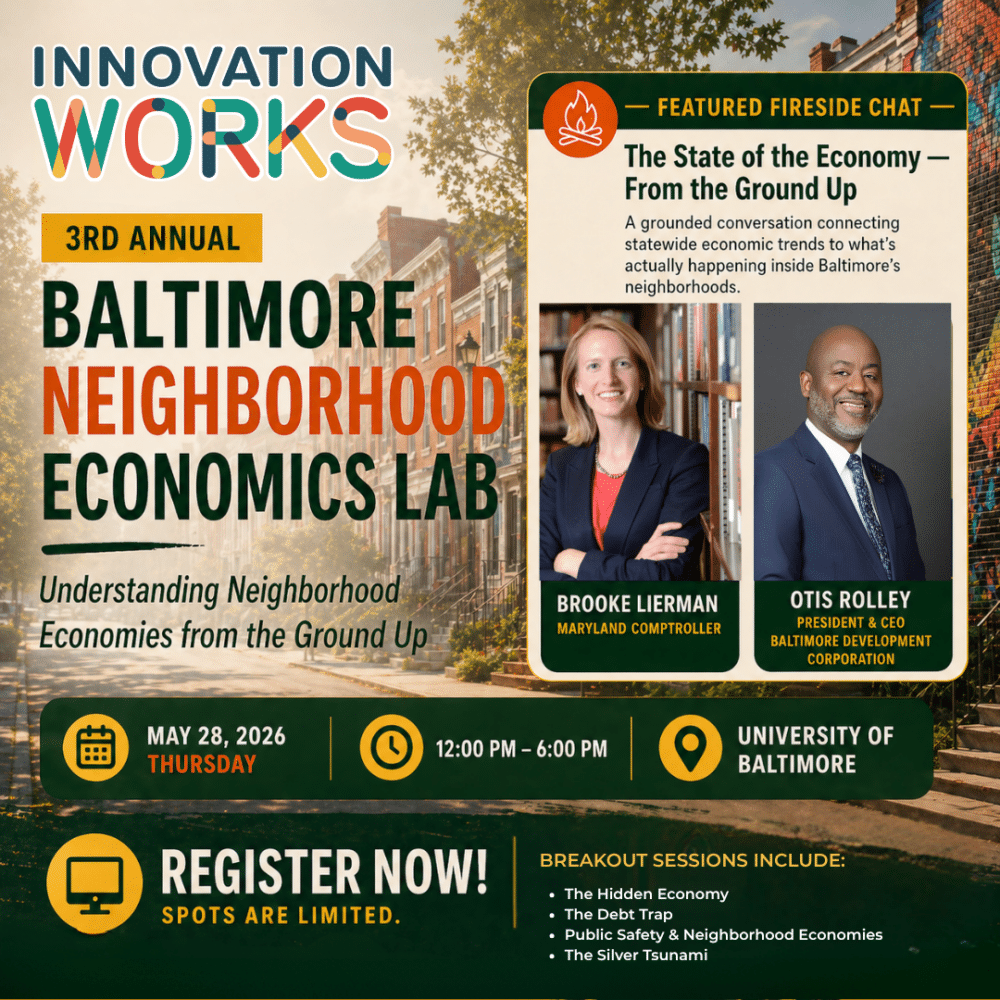
Thursday, May 28, 2026
University of Baltimore Welcome Center
About the Lab
The Baltimore Neighborhood Economics Lab is a one-day experience designed to explore how neighborhood economies actually function beyond traditional definitions, assumptions, and surface-level conversations.
Across Baltimore, economic activity is shaped by informal systems, access to capital, ownership transitions, public safety, and shifting perceptions of place. Many of these dynamics are often overlooked, undercounted, or misunderstood despite their direct impact on how communities sustain themselves.
This Lab creates space to engage those realities directly through structured conversations, practitioner insight, and participant-driven dialogue.
Featured Conversations
1:00 PM – 1:30 PM
Fireside Chat with Comptroller Brooke Lierman
The State of the Economy—From the Ground Up
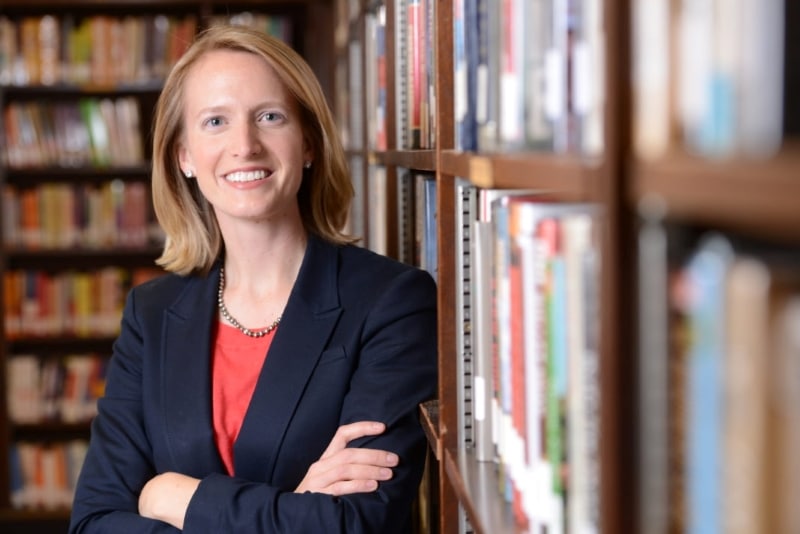
A grounding conversation to start the day, translating economic signals and data into what they actually mean for households, small businesses, and neighborhoods right now, and setting the stage for the conversations ahead.
2:45 PM – 3:30 PM
Fireside Chat with Otis Rolley
President and CEO, Baltimore Development Corporation
From Strategy to Neighborhood Reality
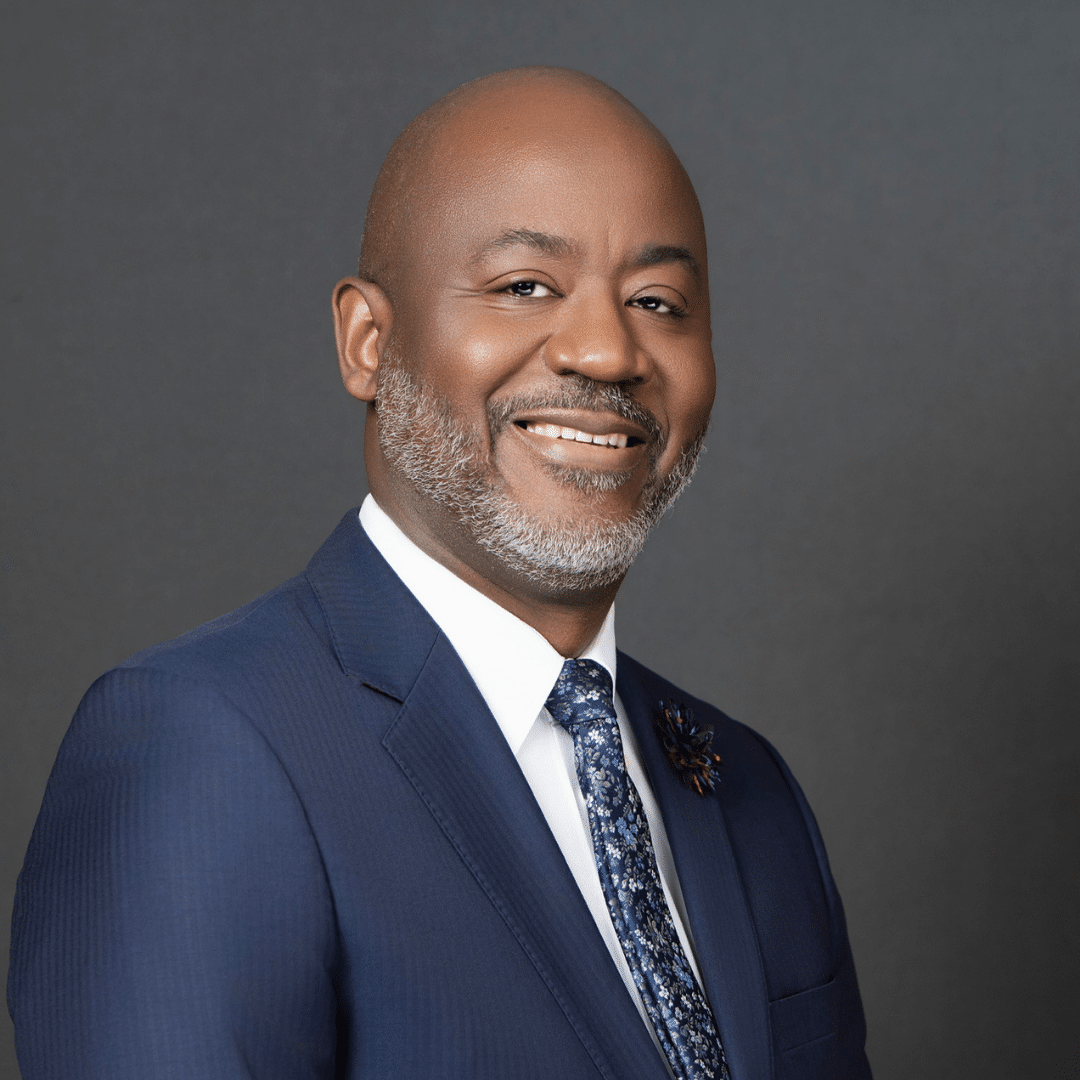
Join a conversation with the CEO of the Baltimore Development Corporation as we explore how citywide economic development strategy connects to the lived realities of neighborhoods.
From public safety and small business growth to access to capital and the challenge of vacant spaces, this discussion will unpack what is driving momentum, where gaps remain, and what it will take to ensure that investment translates into lasting opportunity across Baltimore’s communities.
Grounded in both data and on-the-ground experience, this conversation will set the stage for deeper dialogue throughout the day.
Speakers & Facilitators
Ashiah Parker, MPA
Executive Director, No Boundaries Coalition
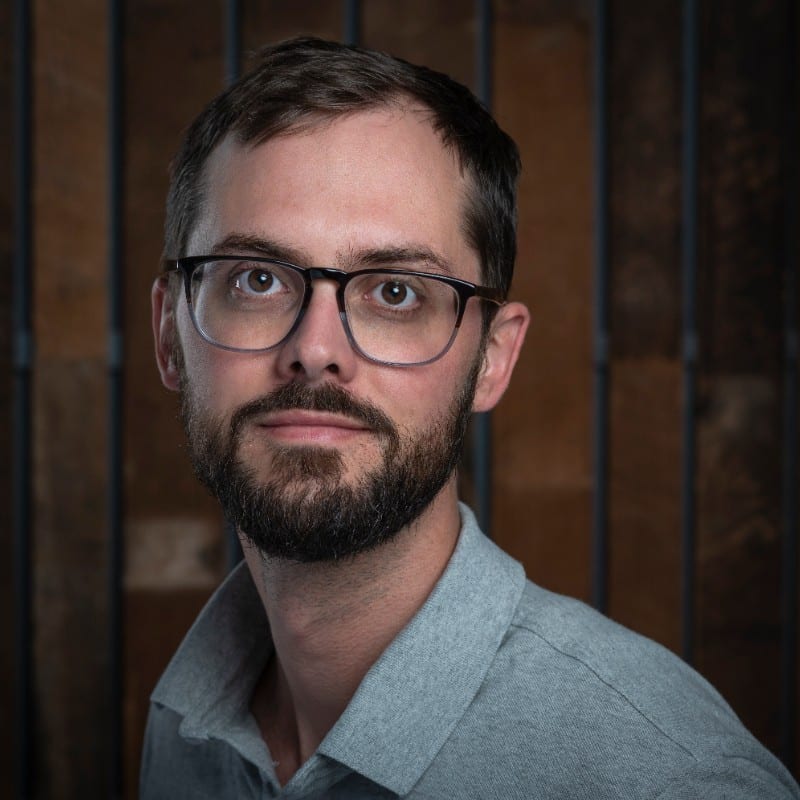
Will Holman
CEO, Open Works
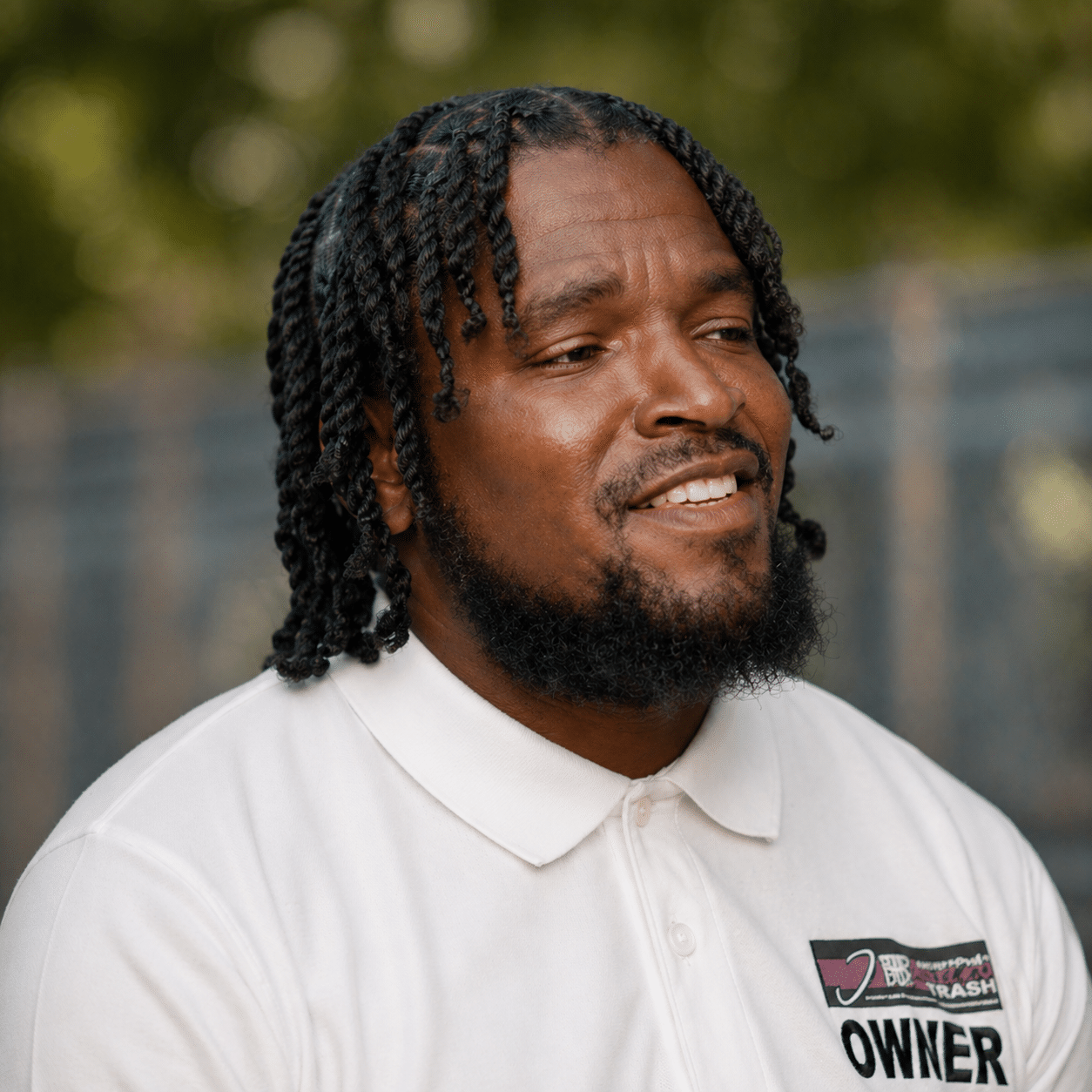
Donte Hayes
Founder & CEO, Another Man’s Trash
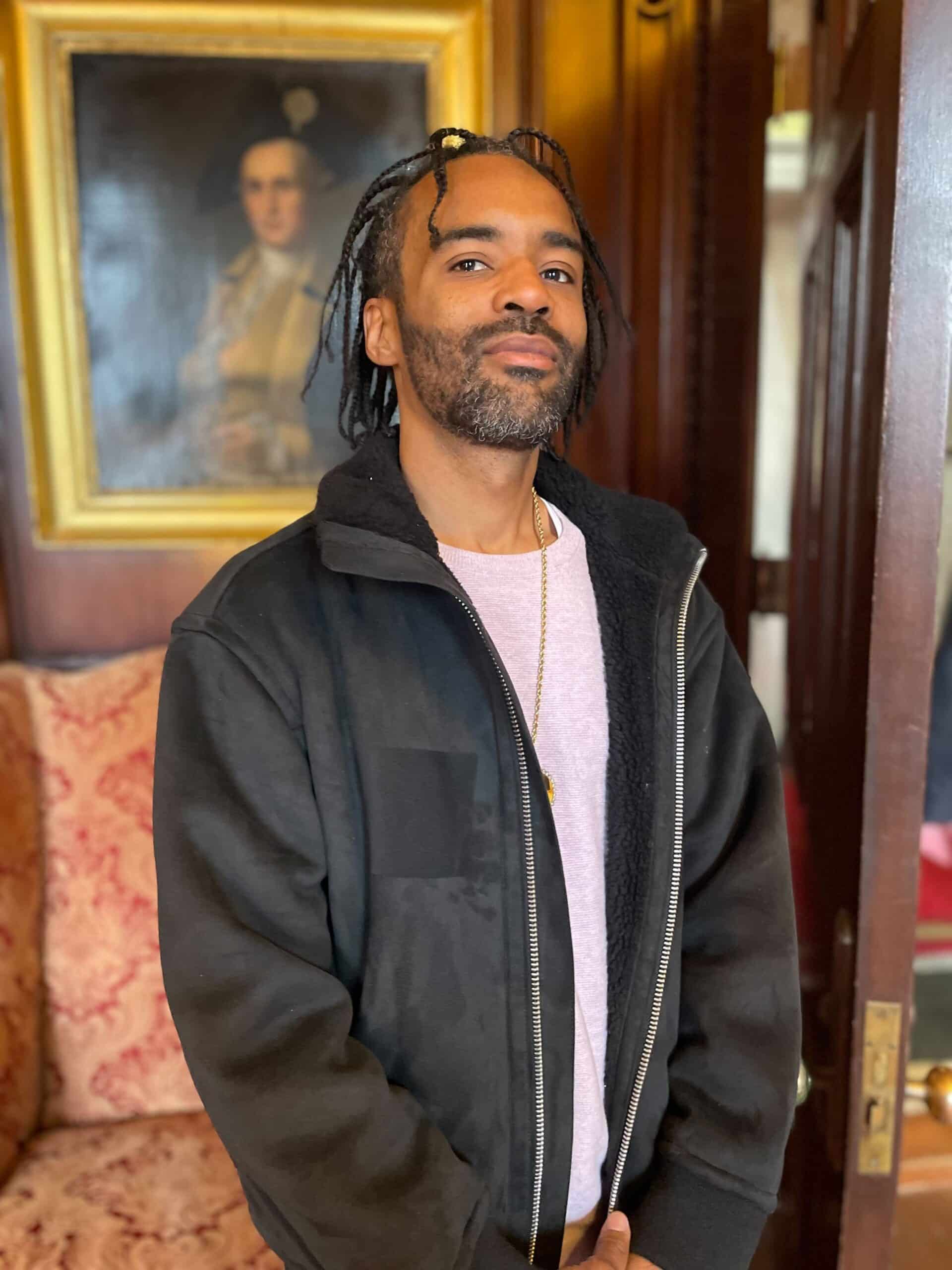
Cordell Pinckney
CEO, Mayo Snackz
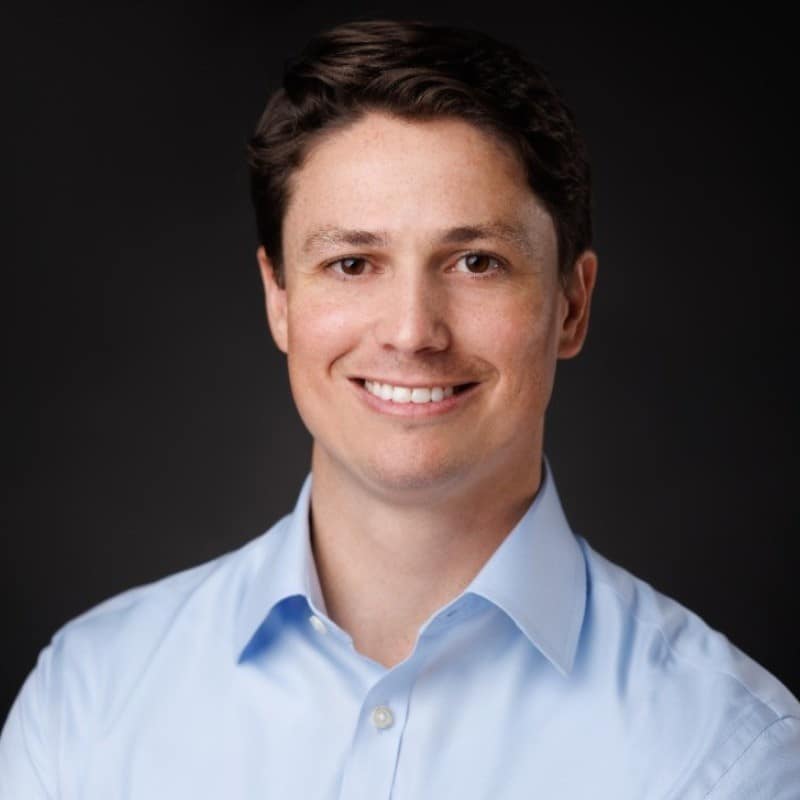
Charlie Rixey
Deputy Director, Innovation Team
Executive Office of the Governor
The Debt Trap: How Capital Drains Our Communities
This session explores the often-overlooked reality that access to capital is not always a pathway to growth. It can also be a source of strain that quietly drains wealth from individuals, small businesses, and entire neighborhoods.
Across many communities, particularly historically Black neighborhoods, entrepreneurs and residents are navigating a landscape shaped by high-cost debt, limited financing options, and financial products that are not designed with long-term sustainability in mind.
From credit cards and personal debt to merchant cash advances and small business loans, the cost of capital can significantly influence whether businesses stabilize, grow, or struggle to survive.
How the Session Works
The session begins with an overview of key trends, including the rising cost of debt for small businesses and households, patterns in how capital is accessed across communities, and the relationship between financial stress and business outcomes.
A facilitated conversation will feature voices from across the ecosystem, including small business advisors, policy and regulatory leaders, practitioners supporting individuals and businesses impacted by debt, and capital providers exploring alternative approaches.
Participants will engage in structured dialogue to reflect on how debt and capital are shaping their own work or communities, identify key barriers and patterns, and explore what more equitable and effective capital systems could look like.
Session Focus
This session is not only about identifying problems. It is about creating space to better understand how capital functions in real-world contexts, examine the unintended consequences of current financial systems, and surface ideas that could lead to more supportive, sustainable pathways.
Speakers & Facilitators
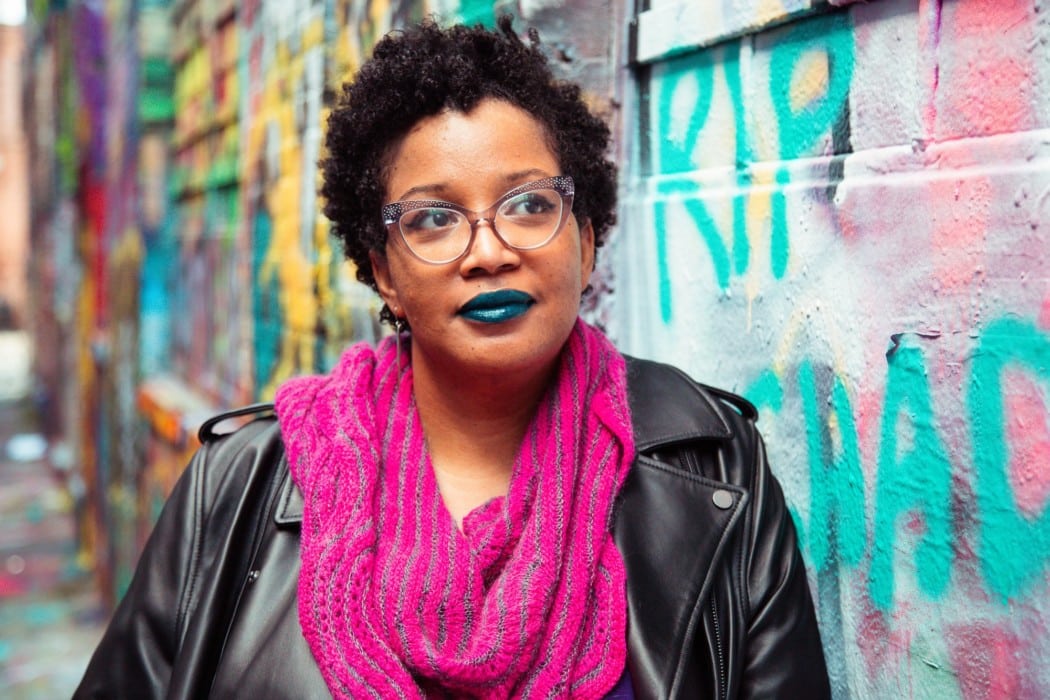
Karida Collins
Owner, Neighborhood Fiber Company
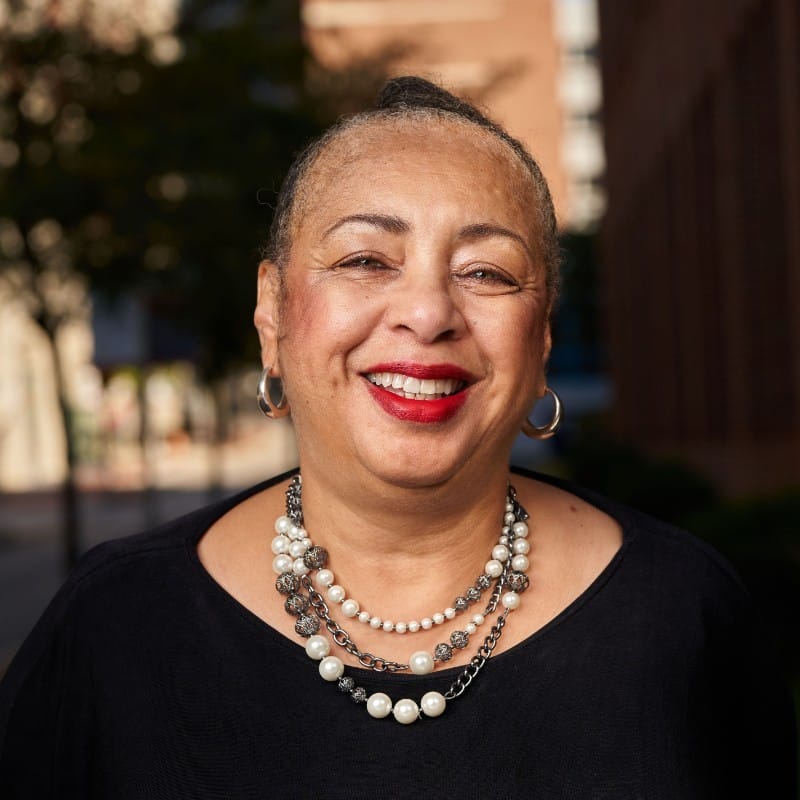
Jennifer Smith Funn
Regional Director for Baltimore City and Baltimore County, Maryland Small Business Development Center
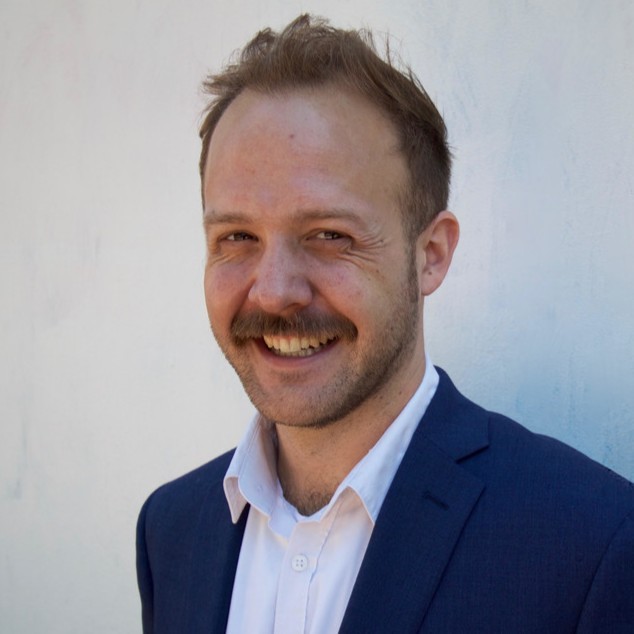
Mac McComas
Senior Program Manager, Baltimore Social Environmental Collaborative (BSEC), Johns Hopkins University
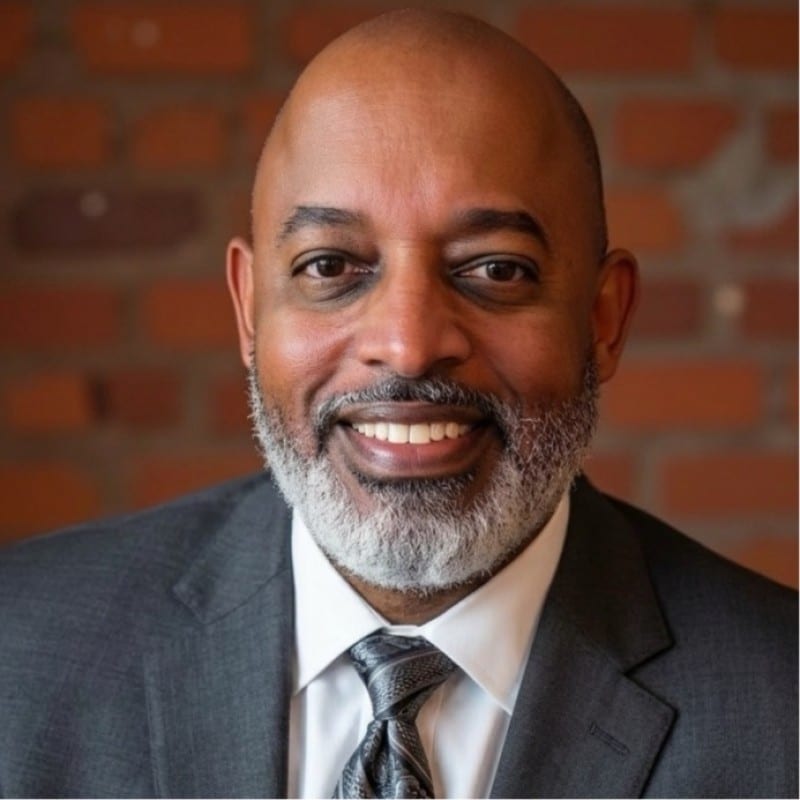
Tim A. Thornton
VP Business Banking Relationship Manager
Fulton Bank
Public Safety & Neighborhood Economies
The city has made meaningful progress in public safety, but perception and lived experience do not always align with the data. This session explores how those dynamics shape economic activity, investment, and neighborhood outcomes.
How the Session Works
The session begins with insights from the Baltimore Area Survey, focusing on a three-year trend of perceptions of public safety. This grounding will highlight the gap between perception and reality, differences in experience across gender and place-based narratives, and how storytelling influences investment and engagement.
A facilitated conversation will follow, bringing together voices from research, philanthropy, media, and city leadership to interpret what these shifts mean in practice and how they are experienced across neighborhoods.
Participants will then move into breakout discussions focused on storytelling and messaging, neighborhoods and residents, and small businesses. Each breakout will blend data, lived experience, and practical insight to explore how perception and economic behavior intersect.
Session Focus
This session is designed to surface the tension between what data shows, what people experience, and how narratives shape opportunity. Participants will leave with a clearer understanding of how public safety connects to economic activity and what it takes to translate progress into sustained neighborhood impact.
Speakers & Facilitators
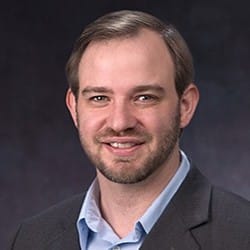
Professor Mike Bader
Johns Hopkins University
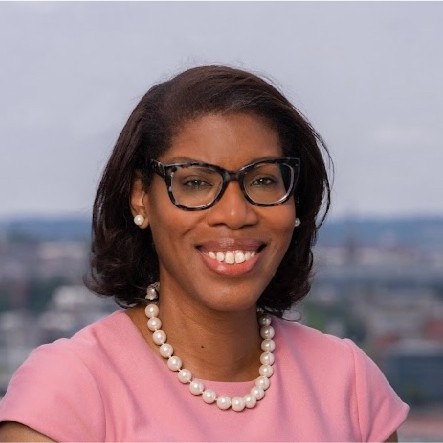
Tracey Barbour Gillett
Program Officer, Community Development, Abell Foundation
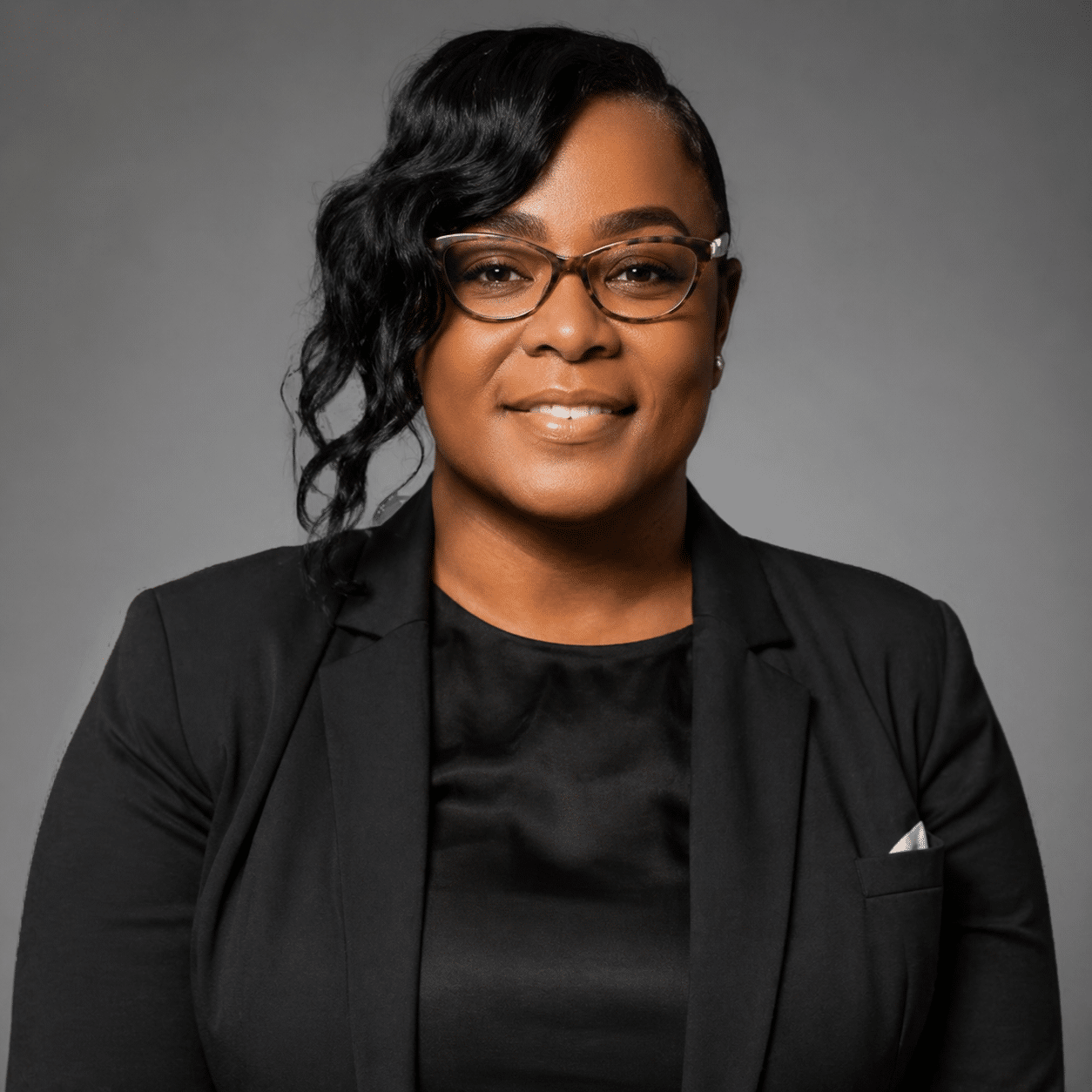
Chanel White
Chief of Staff, Mayor’s Office of Neighborhood Safety and Engagement (MONSE)
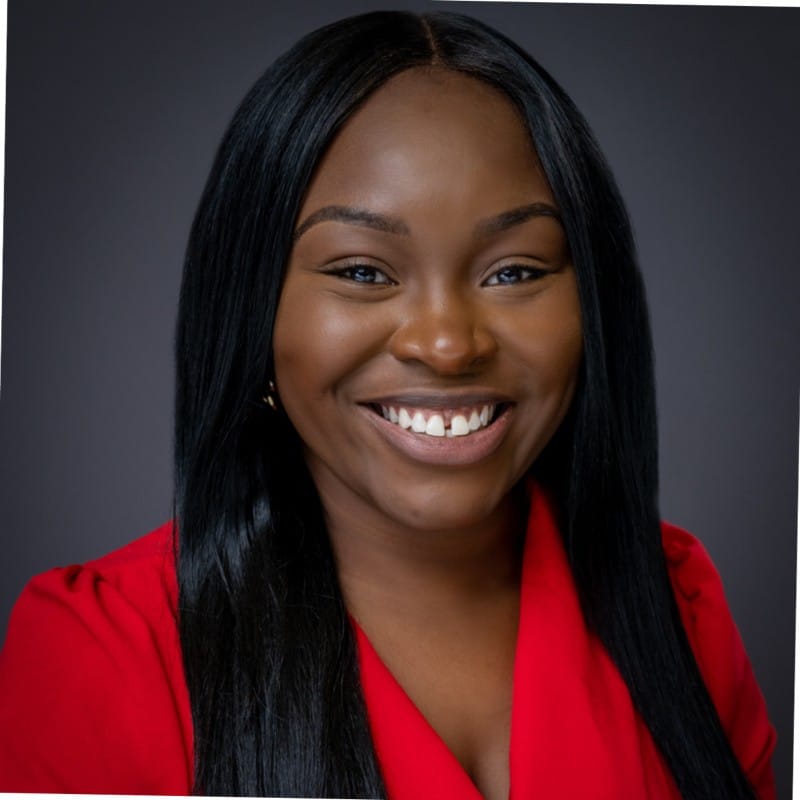
Arnetta Shelton
Chief of Community Violence Intervention (MONSE)
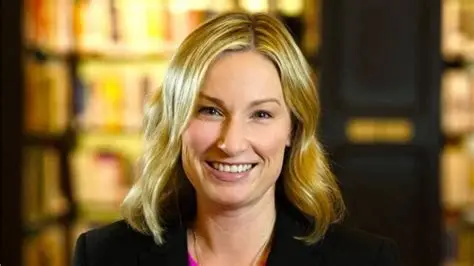
Meghan McCorkell
Executive Director, Live Baltimore
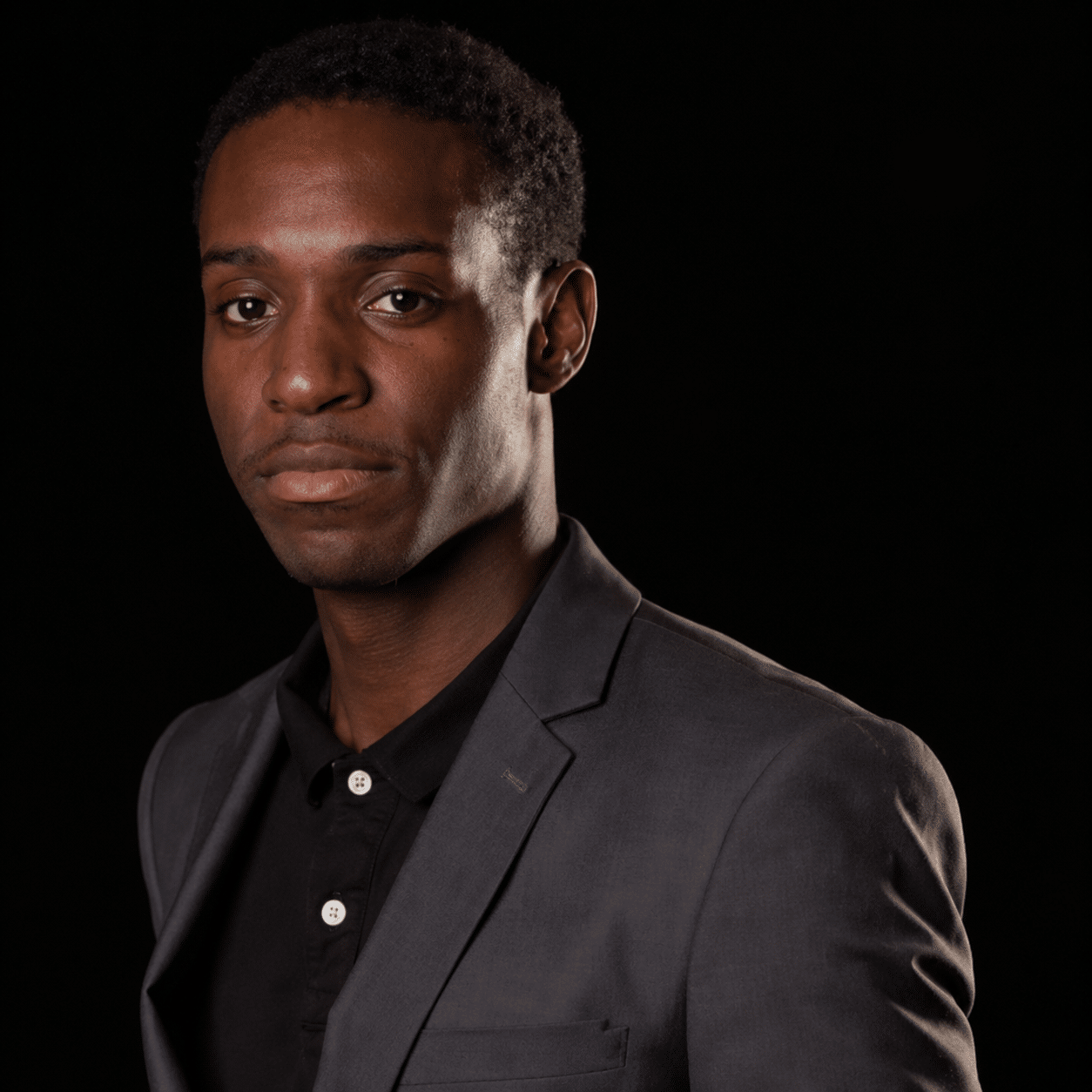
Roodgally “Roody” Senatus
Senior Reporter, ImpactAlpha
The Silver Tsunami: Who Will Own Our Neighborhood Businesses?
A growing number of small business owners, particularly in historically Black communities, are approaching retirement without clear succession or transition plans.
At a neighborhood level, this is not just a business issue. When transitions are unplanned, businesses close, commercial corridors weaken, and important community assets are lost. At the same time, a rising generation of entrepreneurs is interested in ownership but faces barriers to starting from scratch or accessing existing businesses.
How the Session Works
The session begins with a brief overview of regional and national trends, including aging business ownership demographics, rates of business closure versus transition, and the implications for jobs, local economies, and wealth retention.
A facilitated discussion will bring together perspectives from capital providers, business owners approaching exit or transition, advisors working on ownership transition, valuation, and readiness, and neighborhood or place-based leaders who experience the downstream impact when businesses close or transition unsuccessfully.
Participants will engage in structured discussion to identify barriers to successful transitions, explore practical pathways and support structures, and consider what a more intentional ecosystem for business succession could look like.
Session Focus
This session explores how we move from unplanned exits to intentional transitions and what it takes, structurally and practically, to support that shift.
Moderator
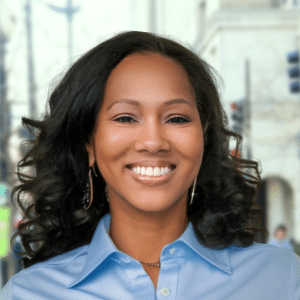
Monica Mitchell
Chief of Staff and Programs, Joint Center for Political and Economic Studies
Speakers & Facilitators
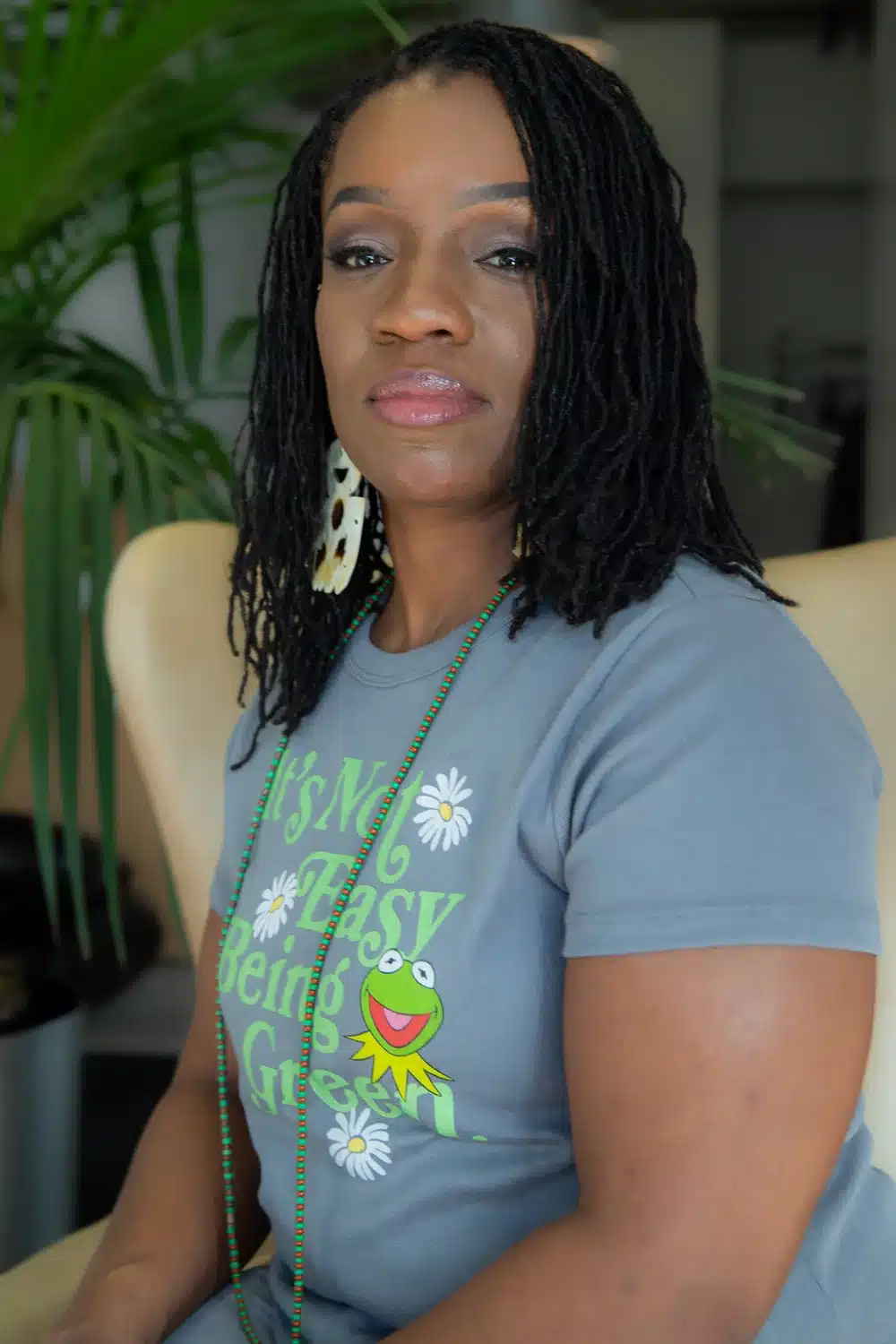
Nneka Nnamdi
Founder and COO, Fight Blight Bmore
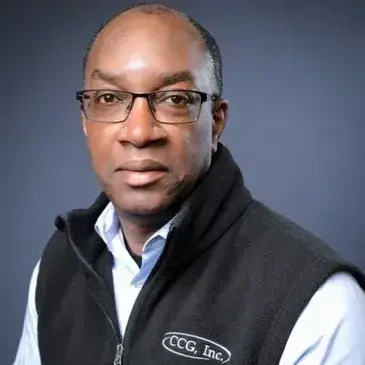
Hank Cunningham
Founder and CEO, Cunningham Consulting Group
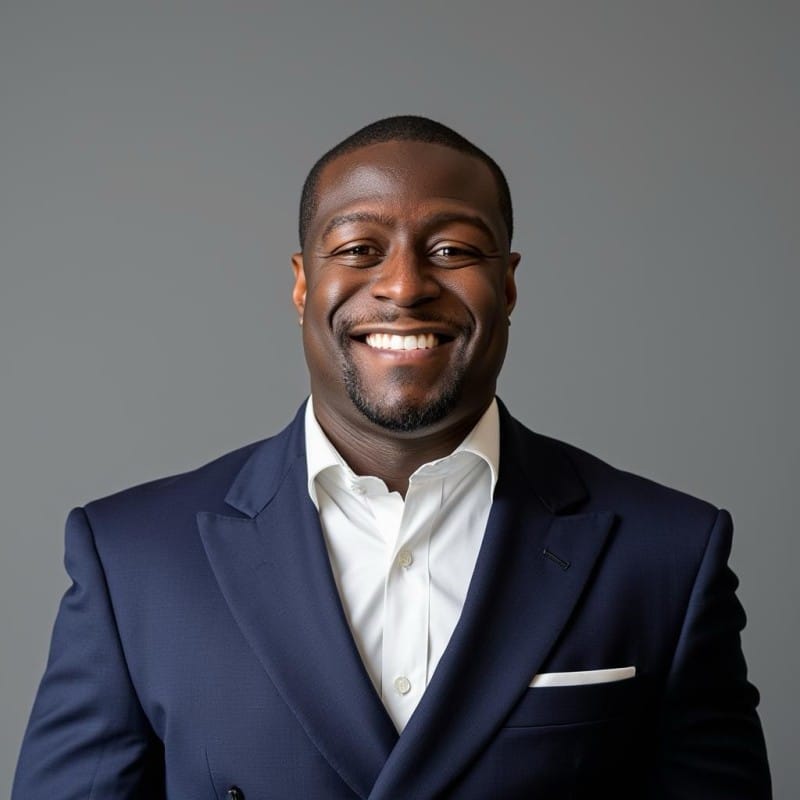
Taber J. Small
Vice President, Meridian Management Group
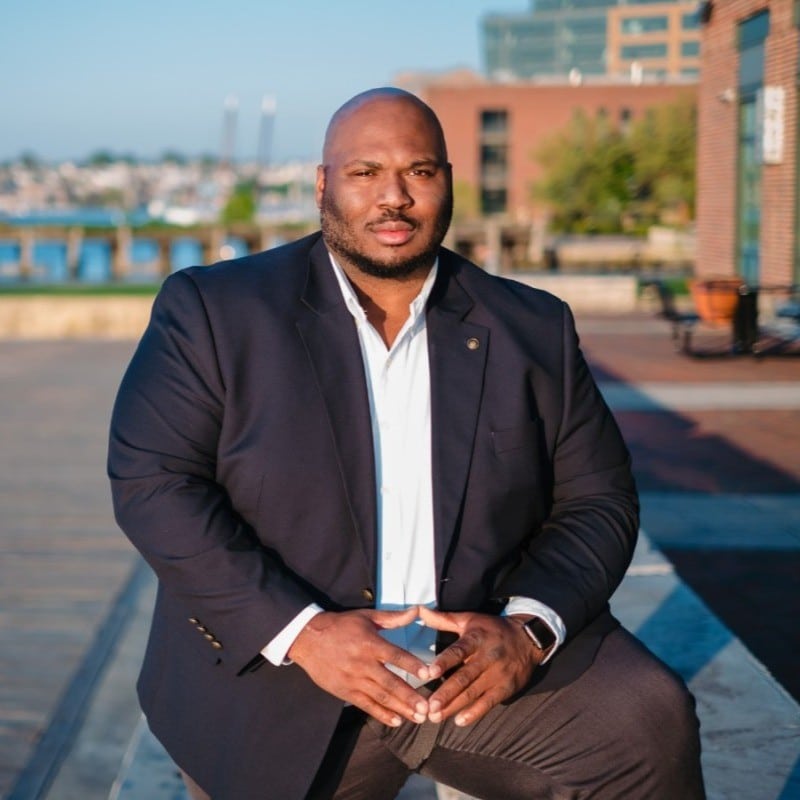
Arnold Farmer, CPA
Senior Manager, Practice Growth and Engagement, SC&H
Parking & Arrival Information
Event Location
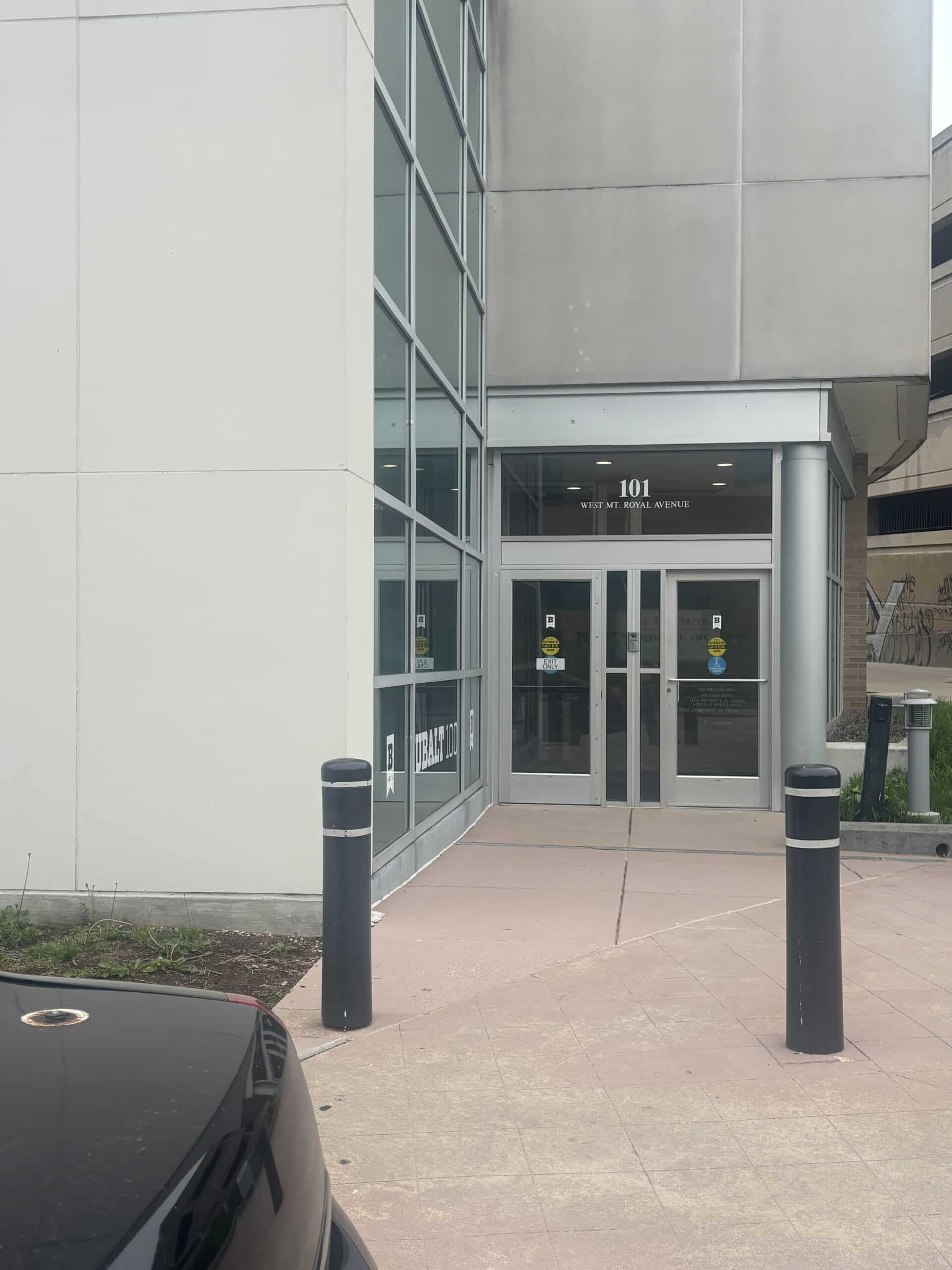
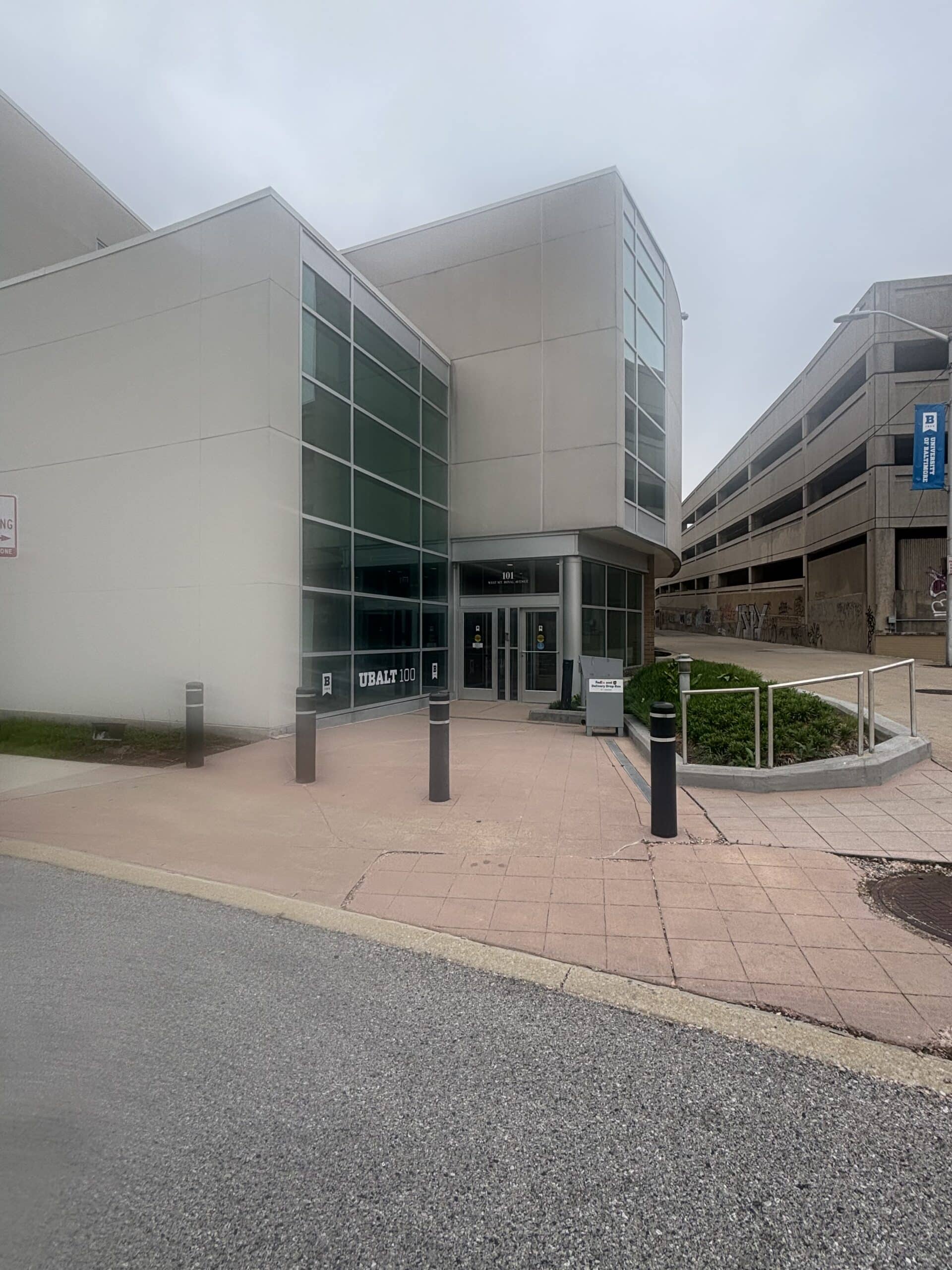
University of Baltimore-Welcome Center
101 W. Mt. Royal Ave.
Baltimore, MD 21201
Recommended Parking
Paid Parking is available at:
The Fitzgerald at UB Midtown Parking Garage
1201 W Mt Royal Ave.
Baltimore, MD 21217
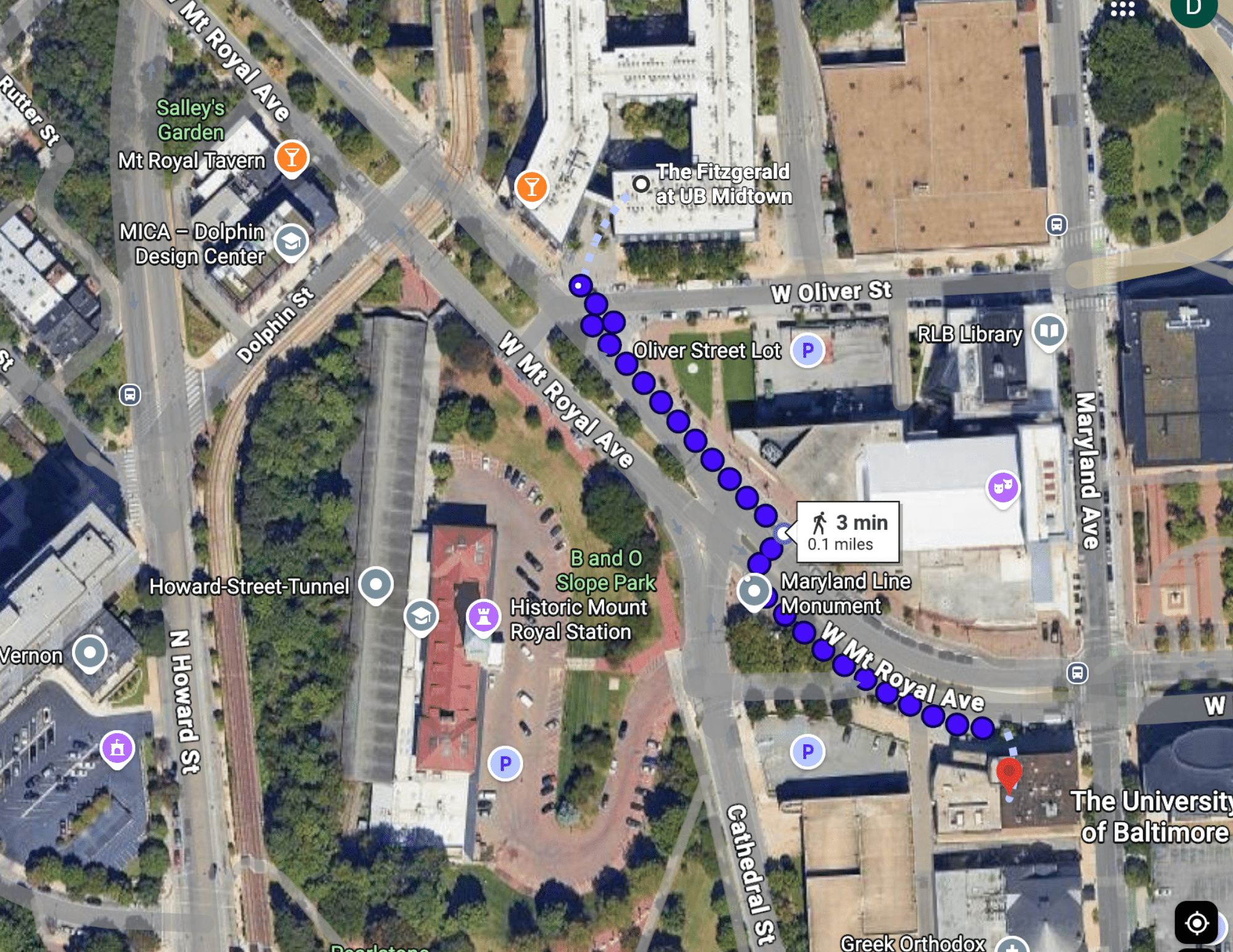
Walking Directions from the Garage
- Head toward W Mt Royal Ave
- Turn left onto W Mt Royal Ave
- Turn right toward W Mt Royal Ave
- Turn left onto W Mt Royal Ave
-
Destination will be on the right at:
101 W. Mt. Royal Ave.
The walk is approximately 2–3 minutes. Please look for BNEL signage and registration upon arrival.
Additional Parking
Limited street parking may also be available throughout the Mount Royal and Charles Street corridor.